



Description
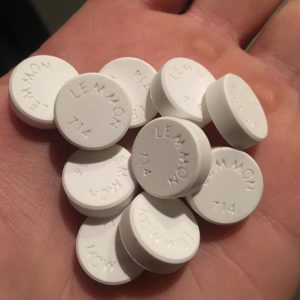
Quaaludes(Ludes, Lemmons, 714s, or Mandies)
Can I buy quaalude online at $1.3 per pill no prescription? Yes you can order lemmon 741 online no Rx, just visit buy diluadid online USA to get the best quality and service you could only imagine. Quaalude is the brand name for a sedative drug that once saw widespread medical use for insomnia and anxiety. The active ingredient, Methaqualone, belongs to a class of central nervous system depressants that slow brain activity and promote relaxation.
Although Quaaludes are no longer used in modern medical practice, they remain a topic of interest in pharmacology, drug history, and public health discussions. This guide explains how Quaaludes worked, their former medical uses, pharmacology, and why they were removed from the market.
What Were Quaaludes
Quaaludes were prescription sedative-hypnotic medications introduced in the 1960s. Doctors prescribed them primarily to help patients sleep and manage anxiety-related conditions.
The name “Quaalude” came from the phrase “quiet interlude,” reflecting the calming effects of the drug.
Other brand names for methaqualone included:
-
Mandrax
-
Sopor
These medications were widely used across North America, Europe, and parts of Africa before being discontinued.
Development and Medical History
Scientists first synthesized methaqualone in the 1950s while researching new pharmaceutical compounds. Although initially explored for other purposes, researchers discovered its strong sedative properties.
By the 1960s, pharmaceutical companies marketed methaqualone as a safer alternative to barbiturates, which were commonly used for sleep disorders but carried high risks.
Doctors prescribed Quaaludes for:
-
insomnia
-
anxiety
-
muscle tension
-
stress-related conditions
During the 1970s, the drug became widely used both medically and recreationally. Increased reports of misuse and dependence eventually led to stricter regulations.
By the 1980s, most countries had banned or tightly restricted methaqualone.
Mechanism of Action
Methaqualone affects brain chemistry by enhancing inhibitory signals in the central nervous system.
The drug interacts with the GABA receptor, which regulates neuronal activity. It enhances the effect of Gamma-aminobutyric acid, a neurotransmitter that reduces brain stimulation.
This interaction leads to:
-
sedation
-
relaxation
-
reduced anxiety
-
decreased muscle tension
By slowing neural activity, methaqualone promotes sleep and calming effects.
Former Medical Uses
Before its discontinuation, doctors prescribed Quaaludes for several conditions.
Insomnia
Patients with difficulty sleeping often received methaqualone as a nighttime sedative.
Anxiety and stress
The drug helped reduce nervous system activity, which could ease symptoms of anxiety.
Muscle relaxation
Some physicians used methaqualone to treat muscle tension or spasms.
Dosage Forms
Quaaludes were typically available as oral tablets.
Standard tablets
The most common strength was 300 mg methaqualone tablets, often marked with branding for identification.
Combination formulations
Some versions combined methaqualone with antihistamines to enhance sedative effects. One example is Mandrax, which included diphenhydramine.
Pharmacokinetics
Pharmacokinetics describes how a drug is process in the body.
Absorption
Methaqualone was absorbed through the gastrointestinal tract after oral administration.
Effects typically began within 30 to 60 minutes.
Distribution
The drug circulated through body tissues and entered the brain.
It crossed the Blood-brain barrier, allowing it to influence central nervous system activity.
Metabolism
The liver metabolized methaqualone into inactive compounds.
Elimination
The body eliminated the drug through urine after metabolism.
Effects on the Body
Methaqualone produced a range of physical and neurological effects.
Common effects
-
drowsiness
-
relaxation
-
reduced anxiety
-
slowed reaction time
Cognitive effects
-
impaired coordination
-
reduced alertness
-
slowed thinking
These effects were consistent with other sedative medications that depress central nervous system activity.
Why Quaaludes is not legal
Several factors led to the removal of methaqualone from medical use.
Dependence and tolerance
Repeated use led to tolerance, meaning patients needed higher doses to achieve the same effects.
Misuse concerns
During the 1970s, methaqualone became widely misused outside medical settings.
Regulatory restrictions
Governments introduced strict regulations to control production and distribution.
In the United States, the Drug Enforcement Administration classified methaqualone as a Schedule I controlled substance, meaning it has no accepted medical use and a high potential for misuse.
Comparison With Other Sedatives
Quaaludes were part of a broader class of sedative medications.
Other sedatives include:
-
Diazepam
-
Phenobarbital
Modern medicine has largely replaced older sedatives like methaqualone with medications that have more predictable effects and improved safety profiles.
Research and Historical Significance
Methaqualone remains an important subject in pharmacological research and drug policy studies.
Researchers examine:
-
historical prescribing trends
-
sedative pharmacology
-
regulation of controlled substances
-
public health responses to drug misuse
Scientific literature is available through organizations such as:
-
National Institutes of Health
-
World Health Organization
These institutions provide research on drug safety, pharmacology, and regulatory frameworks.
Frequently Asked Questions
What were Quaaludes used for
Doctors prescribed Quaaludes for insomnia, anxiety, and muscle tension before they were discontinued.
What drug did Quaaludes contain
Quaaludes contained methaqualone, a central nervous system depressant.
Why were Quaaludes banned
High levels of misuse, dependence, and safety concerns led to strict regulation and discontinuation.




Ramond –
You should take part in a contest for one of the finest quality products on the web. I will recommend this site!
Refugio –
completely Legit site for all your painkiller meds
Erysleree Bernard –
drug allergies, active PID, CV diseases, etc
James –
Good site